

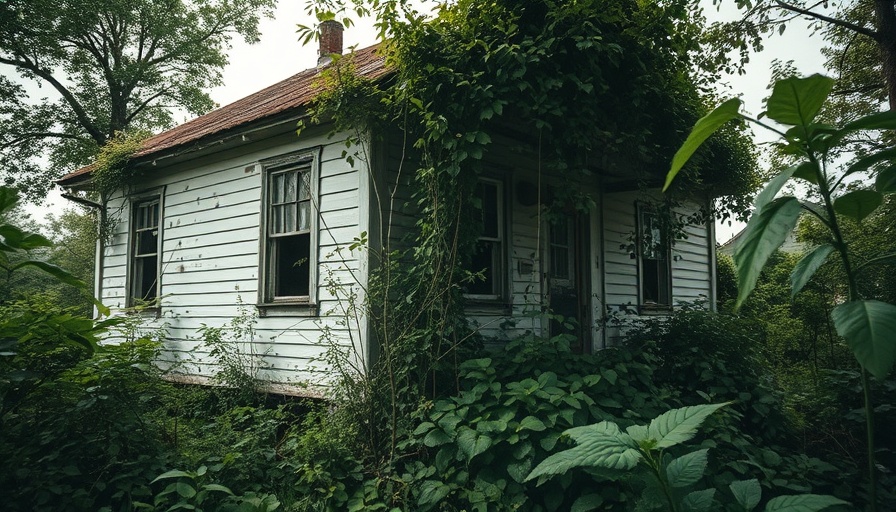
Uncovering Hidden Potential: What is an Abandoned House?
Abandoned houses represent unique opportunities in the real estate landscape, especially for those looking to make investments that breathe new life into forgotten neighborhoods. An abandoned house, unlike its vacant counterpart that may still be maintained, typically entails properties whose owners have lost possession due to various circumstances—be it foreclosure, death without heirs, or simply a relocation that leaves the property neglected.
These homes not only come with lower price tags but also with the potential for transformation. Maryland, with its rich history and diverse neighborhoods, offers a variety of abandoned properties waiting for visionary buyers. However, it's essential to understand the fine line between an abandoned property and a vacant one to successfully navigate this real estate opportunity.
How to Spot an Abandoned House
Finding an abandoned house requires a mix of detective work and community engagement. Here are several effective strategies:
Public Records: Examine county records for properties that are tax-delinquent or in foreclosure. These indicators often highlight potential abandonment.
Drive for Dollars: Explore neighborhoods, particularly older areas, where signs of neglect—such as overgrown yards, shattered windows, and overflowing mailboxes—are strong indicators of abandonment.
Engage Local Authorities: Municipal departments, including code enforcement or blight departments, keep records of properties marked for violations, which can help identify neglected homes.
Seek Real Estate Professionals: Real estate agents specializing in foreclosures and distressed properties often know where to find these gems amidst the dilapidation.
Utilize Online Resources: Websites that focus on auctions, foreclosures, and distressed property sales can be invaluable for the aspiring buyer.
Essential Steps in the Buying Process
Once you identify an abandoned property, the purchasing journey can differ significantly from conventional home buying. Here’s a roadmap to guide you:
Research Ownership: Discover who legally owns the property. This may involve banks, government bodies, or the distanced kin of a deceased owner. The county recorder’s office is an excellent starting point for uncovering ownership details.
Understand the Legal Process: Buying an abandoned house may involve navigating varied legal routes, including auctions or short sales, which can demand that you familiarize yourself with local laws and procedures.
Evaluate Condition: Abandoned homes often face significant repair needs, so conducting a thorough inspection is essential. This can help you understand potential renovation costs and necessary upgrades to make the house livable again.
Consult Financial Experts: Securing funding may involve specialized loans, like renovation loans or specific programs for distressed properties. Consulting with mortgage professionals can prepare you for the financial aspects.
Plan for Rehabilitation: Transforming an abandoned house isn't just about fixing it up—it's about reinvesting in the community. Think creatively about how to redesign the space to enhance both its value and aesthetic appeal, aligning it with healthy living practices.
Transforming Challenges into Opportunities
While reclaiming an abandoned house can be a rewarding venture, it’s not without challenges, such as legal liabilities and substantial renovation work. However, with determination and the right resources, you can create a home that not only enhances your lifestyle but also contributes positively to the neighborhood. In doing so, you foster community health, wellness, and vitality—a reward far beyond the financial aspects of homeownership.
The Broader Impact of Homeownership on Health
Investing in an abandoned property helps revitalize not only a home but an entire community’s spirit. By transforming these structures, homeowners promote safe environments, thus enhancing physical and mental well-being for families. Community engagement and investment lead to a sense of belonging and contribute to overall societal health—key tenets of a good life.
Final Thoughts: Your Journey Awaits
For those considering this path, buying an abandoned house can be more than just a financial decision; it’s an opportunity to create a home and contribute to your community’s landscape. With the right tools and knowledge, you can embark on this rewarding journey of discovering hidden potential in your neighborhood.
As you consider this adventure, think about the changes you wish to see in your surroundings. Take that first step today by exploring opportunities that speak to your passions and vision.


Write A Comment